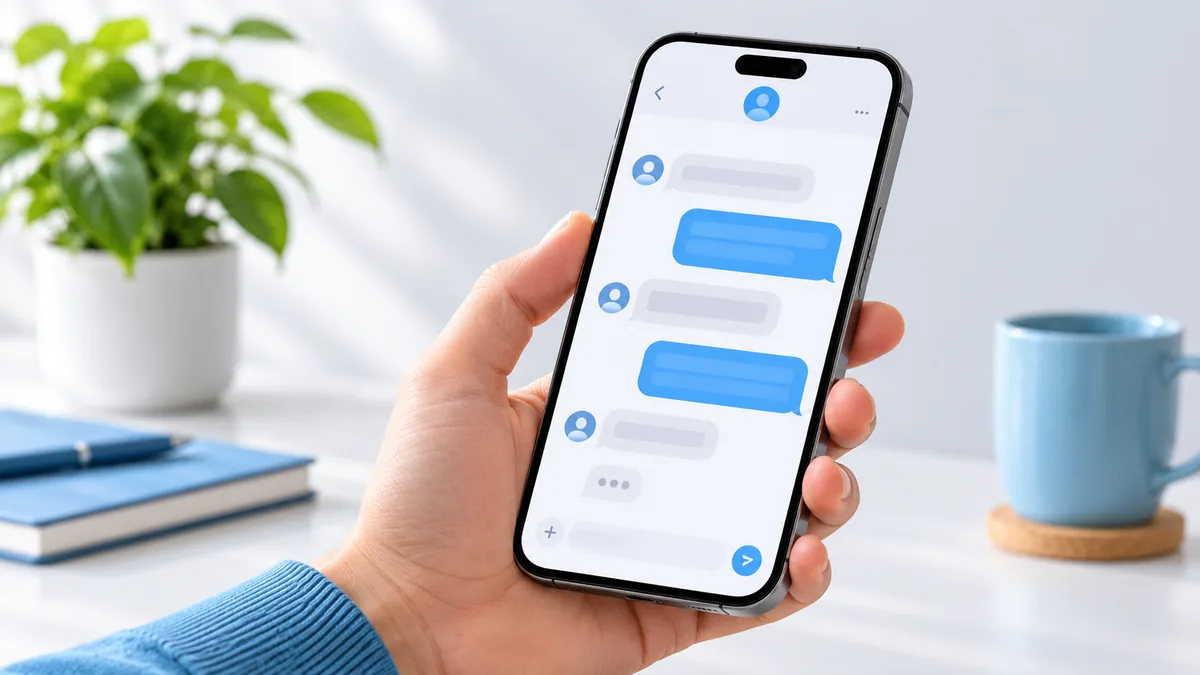
AI chatbots have become much smarter. They can answer questions in natural language, any time of day. But a chatbot only helps if it solves a real problem in your business.
Signs a chatbot could help
- You get the same questions again and again (prices, timings, delivery, location).
- Messages arrive at night or on weekends when nobody is available.
- Leads go cold because replies are slow.
- Your team spends hours each day on simple questions.
Signs you may not need one yet
- You get only a few messages a day and reply quickly yourself.
- Every enquiry is complex and needs a personal conversation.
- You don't yet have clear answers written down for common questions.
What a good chatbot does
- Answers common questions accurately, using your own information.
- Collects the customer's name, need and contact details.
- Hands over to a human when the question is complex or the customer asks.
- Keeps a record so you can follow up.
What to watch out for
- Wrong answers. A chatbot should only answer from information you give it. Test it with real questions before going live.
- No way out. Customers get frustrated if they can't reach a person. Always offer a human option.
- Sounding robotic. Keep the tone friendly and simple, like your best team member.
Where to put it
- On your website, to catch visitors who have questions before booking.
- On WhatsApp or Instagram DMs, where many customers already message you.
Start small
Begin with your top ten questions and a simple lead form. Look at the conversations every week and improve the answers. Expand only when it's working.
A chatbot doesn't replace good service. It frees your team to give better service where it matters. Curious what it could look like for you? See our AI chatbot service.